
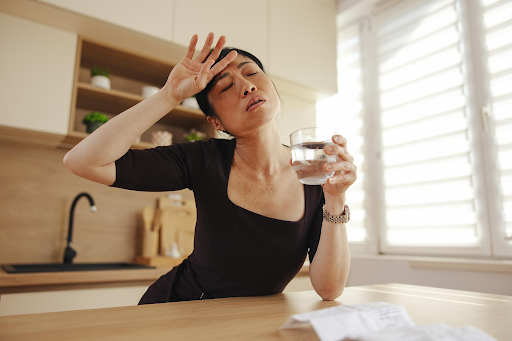
Lisa’s 38. My neighbor. She called me last summer and just sounded not regular tired, the kind where nine hours of sleep does nothing for you. Belly weight showed up without her changing how she ate. She started crying in her car before work, no real reason she could point to. The doctor ran bloodwork. Came back fine, supposedly.She left with a pamphlet about stress.
Six months passed. A different doctor finally checked her progesterone. It was nearly zero.One hormone. Half a year of feeling like she was losing it. Nobody looked.I keep hearing this same story, just with different names attached. Years of feeling off, normal labs, and that creeping suspicion you’re just not handling life as well as everyone else seems to. It’s almost never one crash. It’s a drift. You look up one day and you’re somewhere you don’t recognize.
What a Hormonal Imbalance Actually Feels Like
Thyroid. Adrenals. Ovaries. Pancreas. All of them pumping out hormones, all of them in constant conversation with each other. One slips, the rest tend to follow.It doesn’t look the same on anyone. Some women carry weight they can’t shake no matter what they cut. Some get hit with anxiety the same week every month, almost to the day.
Others are just tired in a way that no amount of sleep seems to touch. Worth noticing if you wake up wrecked even after a full night. If belly weight showed up and nothing about your diet changed. Snapping at someone over nothing, feeling bad about it later. Periods that keep shifting heavier, more painful, less predictable. Acne at 33 when your skin was clear at 16. Losing your sentence halfway through it. No interest in sex even though everything’s fine at home. Hair coming out at the crown, or in the shower drain in clumps you didn’t used to see.It’s not just age catching up with you. Something’s actually happening.
Food First
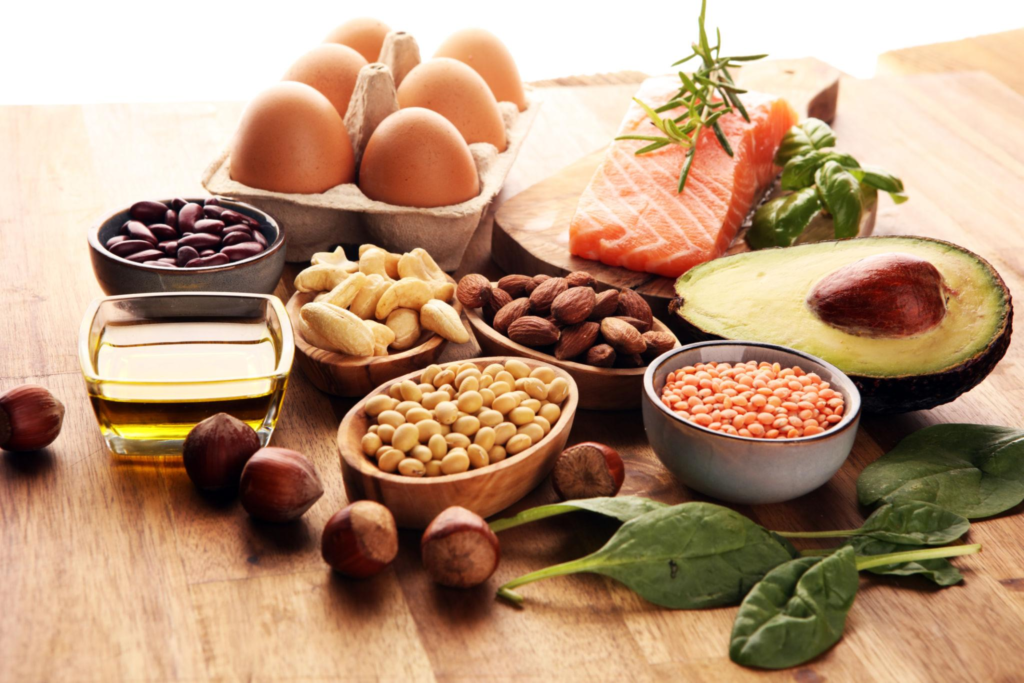
People reach for supplements before they fix what they’re eating, and that’s usually backwards. Hormones get built from fat and protein. Not enough of either, and your body’s short on the materials it needs to make them.Protein at every meal yes, breakfast too.
Track one full day of eating sometime. Most women are stunned by how little protein is actually in their breakfast 10, maybe 15 grams, sometimes less. Nowhere close. The amount that most nutritionists agree on is between 25-30 grams per meal eggs, chicken or lentils for lunch, salmon or Greek yogurt for the rest of the day. See where you actually fall before assuming you’re fine.Fat isn’t the villain here.
Cut it too far and your hormones notice fast. Irregular periods. Flat mood. Thinning hair. Cholesterol and fat are literally what your body builds estrogen, progesterone, and cortisol out of. No raw material, no hormones that’s just how it works.
So eat avocado, olive oil, nuts, seeds, fatty fish. Every day, not just when you remember.A serving or two a day does it.
Sugar wrecks more than people realize. Your blood sugar spikes, insulin follows, and after a few weeks of that, cortisol goes first. Then estrogen. Then testosterone and thyroid, one at a time. Swap soda and white bread for whole grains and water.First, testosterone and thyroid, one by one. Substitute soda and white bread with grains and water. Nothing will be felt initially.
Won’t feel like anything at first. Give it two weeks.
The Gut Piece People Skip
Supplements come before gut health for a lot of women, and that order’s backwards too much of your actual hormone regulation is happening down there, not in a pill.
Your gut has a colony of bacteria called the estrobolome. Its whole job is clearing used estrogen out of your system. Mess with that bacteria antibiotics, too much sugar, chronic stress, not enough fiber and estrogen stops leaving. It just gets pulled back into circulation instead.
Heavy periods, bloating, sore breasts, the mood crash right before your cycle a lot of that traces back to a gut that isn’t clearing estrogen the way it should.
Fiber helps most. It crowds out the bacteria you want in there. More water than feels necessary. And staying regular, because estrogen sitting too long just gets reabsorbed instead of leaving your body.
Sleep Resets Everything

I spent years treating sleep like a debt I’d pay off eventually. Most people do. Turns out it’s not rest, it’s maintenance growth hormone gets released, cortisol drops, melatonin recalibrates off whatever light hits your eyes that day. Skip the window and your whole system misses its reset.
One bad night and cortisol’s already up before you even get out of bed. Insulin doesn’t work as well. Hunger hormones are all over the place. So you crave carbs all day that’s not you being weak, that’s your body panicking for fast fuel.
Most people do best with seven to nine hours, a dark room, and something in the 65 to 68 degree range. Wake up at the same time every day, weekends too. Honestly, your wake time does more for your body clock than your bedtime ever will. Stop drinking three or four hours before bed, since alcohol knocks you out but wrecks the deep-sleep stage where balance hormones naturally are actually doing their work. Magnesium glycinate before bed, 200 to 400mg most stressed-out people are low in it and don’t know.
Cortisol’s Probably Bigger Than You Realize
Your adrenals make cortisol the second your brain reads a threat. Doesn’t matter if it’s a tiger or a Slack notification with the same chemical response.
Stress that never lets up keeps cortisol high around the clock. Progesterone drops. Thyroid slows. Fat collects in the middle as your body hoards emergency fuel, and you end up wired at night, drained all day. Period shifts. Mood shifts. Labs keep coming back normal anyway.Plenty of women live in this loop for years without ever connecting it to cortisol.
Breathing changes the chemistry quickly though. Exhale longer than you inhale and the parasympathetic system kicks in four counts in, six out, ten rounds. Cortisol drops within minutes. Not mindfulness. Just physiology.
Exercise type matters. Stack hard daily workouts on already-high cortisol and you’ll make it worse. Your body reads intense training as another stressor, full stop. Walking, swimming, gentle yoga that’s what actually pulls cortisol down. Save the hard stuff for when your energy’s actually there.
There’s real research on ashwagandha too. A 2019 study had people on 240mg of standardized extract daily, tracking cortisol and stress at 30 and 60 days. Both dropped. Won’t undo a bad diet or chronic sleep loss by itself, but it earns its place alongside the rest.
Estrogen Dominance
The problem here is that estrogen dominance may manifest itself despite the fact that your estrogen levels appear perfectly fine on a blood test. The critical thing is the relationship between estrogen and progesterone levels. Low progesterone can make a perfectly normal estrogen level feel like way too much.
It shows up more starting in your mid-30s. Chronic stress is usually the driver cortisol and progesterone are made from the same building block, so when your body’s stuck making cortisol all the time, progesterone is what gets shorted.
Signs to watch for: periods that get heavier or more painful year over year, PMS that keeps getting worse (more crying, sore breasts, bloating), weight that parks itself on your hips and thighs and won’t budge, breasts that feel tender and lumpy right before your period, or anxiety and low mood that show up like clockwork before your period and vanish the moment it starts.
Your liver does the heavy lifting here it’s what breaks estrogen down.But the fact is that when you drink, your liver takes care of the alcohol and processes the hormones later on. Thus, cruciferous vegetables, reduction of alcohol intake, and abstaining from BPA plastic products and artificial fragrances are all important. None of it does much on its own. Together, it adds up.
Four Supplements That Actually Hold Up
Food first, always supplements won’t save a bad diet. But if your eating’s solid and something’s still off, these have real research behind them.
Magnesium glycinate: sleep, cortisol, hormone production generally. 200 to 400mg before bed. Glycinate’s gentler on the stomach than other forms.
Vitamin D3: closer to a hormone than a vitamin, really. Touches mood, immunity, reproductive hormones. Most people are low, especially indoors a lot. Get levels checked, take D3 not D2, pair with K2.
B vitamins B6, B9, B12 build hormones and support liver clearance of old estrogen. Birth control drains these actively, so worth replacing if that’s you.
Omega-3s: Omega-3’s: Two to three grams daily of EPA and DHA. Select one which is tested for heavy metal contamination.
Exercise, Done Right
Weights and walking cover most of it.
Strength training two to three times a week maintains insulin sensitivity, while at the same time boosting testosterone and growth hormone levels. A twenty-minute stroll done once daily will yield better results than one expects for reducing cortisol, regulating mood, and sleep. No gym necessary.
Where this goes wrong: women already running on empty forcing themselves through intense daily sessions, stacking stress on top of stress. Pull back. Walk more. Lift two or three times and actually recover in between. Workouts start feeling worth showing up for instead of something to survive.
When to See a Doctor
Months of feeling off with nothing shifting means real labs, before spending more on supplements. A basic estrogen and TSH panel doesn’t tell you enough on its own.
Ask for progesterone drawn day 19 to 21 of your cycle. Free T3 and free T4, not just TSH. DHEA-S. Morning cortisol. Fasting insulin. Ferritin. Low iron gets missed in women constantly; it mimics thyroid symptoms almost exactly, and nobody checks for it unless you ask.
Pick One Thing
Pick one thing from all this. Just do this for one month, then you can start to incorporate other stuff.
Everyone starts off by trying to change all at once: new eating plan, new exercise, no drinking, taking five supplements, and week one is done. By week two, they are completely exhausted, and right back where they started.
Start with sleep if you’re only picking one. It drags hunger, mood, energy, and food choices along with it. Then protein. Then sugar. Then the walks. Three unglamorous months of consistency beats any dramatic overhaul.
Conclusion
I think about Lisa a lot, honestly. Not because her case was rare because it wasn’t. A doctor just didn’t think to check one number, and that’s it, that’s the whole story. No villain, no conspiracy. Just a gap that’s easy to fall into if nobody’s specifically looking for it.
So look for it yourself. Notice what’s actually happening in your body rather than having it picked up by a panel for you because there’s a good chance it will miss.
But don’t do all of this at once, for real.
FAQs
How long does it take to balance hormones naturally?
Depends what you’re fixing, honestly. Sleep and energy can turn around in a couple weeks. Estrogen dominance takes longer than two or three months, since progesterone and cortisol don’t move fast.
Can hormonal imbalance cause weight gain even with normal eating?
Yes, and it throws people off because it doesn’t seem fair. You’re eating the same, doing the same stuff, and the scale moves anyway. Turns out cortisol and insulin have more say over where fat lands than your calorie count does.
What’s the difference between estrogen dominance and high estrogen?
They’re not the same thing, which surprises most people. Estrogen dominance is about the ratio to progesterone. You can test normal on estrogen alone and still have the symptoms if progesterone’s too low to balance it.
Do I need supplements to balance my hormones?
Not to start, no. Food, sleep, and stress first that’s where the real change happens. Supplements can fill in a gap here or there once those are handled, but no bottle is fixing bad sleep for you.
What labs should I ask my doctor for?
More than the standard panel covers, basically. Progesterone (day 19–21 of your cycle), free T3 and free T4 instead of just TSH, DHEA-S, morning cortisol, fasting insulin, ferritin. Iron especially gets missed in women constantly and looks almost identical to a thyroid problem on paper.
Is it normal for hormone symptoms to get worse in your 30s?
Common, yes. Normal in the sense that you have to just accept it no. Progesterone starts dropping before estrogen does around the mid-30s, which is exactly why estrogen dominance symptoms tend to show up then. It’s a known pattern, not bad luck.